BRANDS & Heritage
By drawing on their heritage, brands better understand who they are and use that foundation to create new products, messages, and experiences.

Welcome to BRANDS &, a column where we look at brands not just as businesses, but as cultural storytellers. Every edition examines how brands reflect, influence, and inhabit the world around us.
In previous chapters, we looked at how brands express themselves through time (anniversaries), space (cities), and the senses (sounds). This fourth chapter focuses on a foundational concept in branding: heritage.
Heritage refers to a historical patrimony—both material and immaterial—that deserves preservation, valorization, and promotion. For brands, it encompasses history, legacy, and tradition; in short, their DNA.
Yet heritage is not an exercise in nostalgia. It is a strategic resource that fuels innovation and strengthens cultural resonance. While some brands activate their history only occasionally, others weave it consistently into their identity. For them, heritage informs design principles and communication practices, shaping visual and verbal expression.
Yet, the opposite dynamic also exists: the “weight” of the past may clash with a brand’s ambition to project a contemporary image, shaping its communication strategies. Consider, for instance, brands like Balenciaga, whose Instagram presence in the past was periodically reset with each new collection or creative director—an approach that prioritized reinvention and left space for the new.
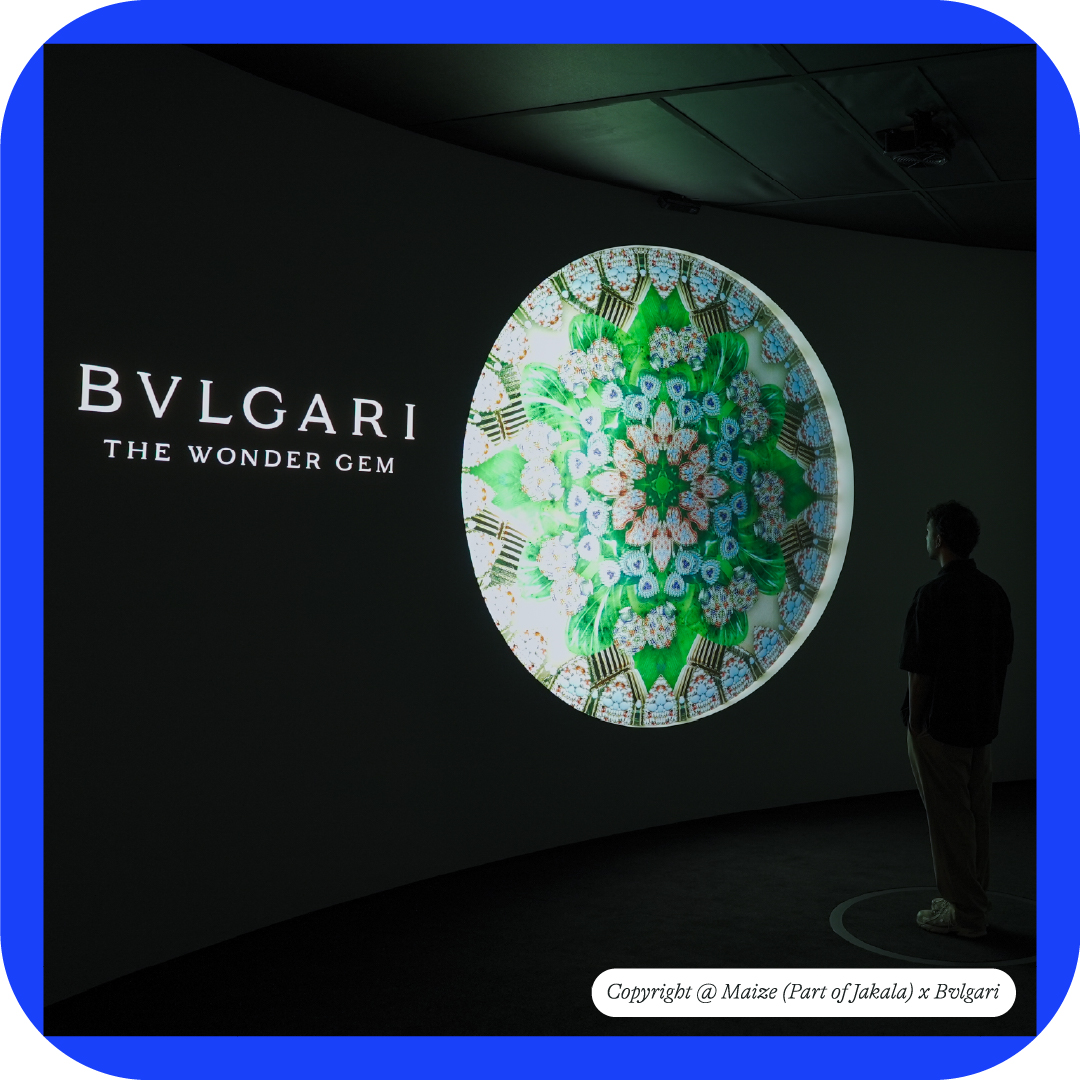
But perhaps the most compelling strategy emerges from the tension between conservation and renewal: heritage as a resource to be reactivated, reinterpreted, and recirculated to create memorable contemporary experiences.
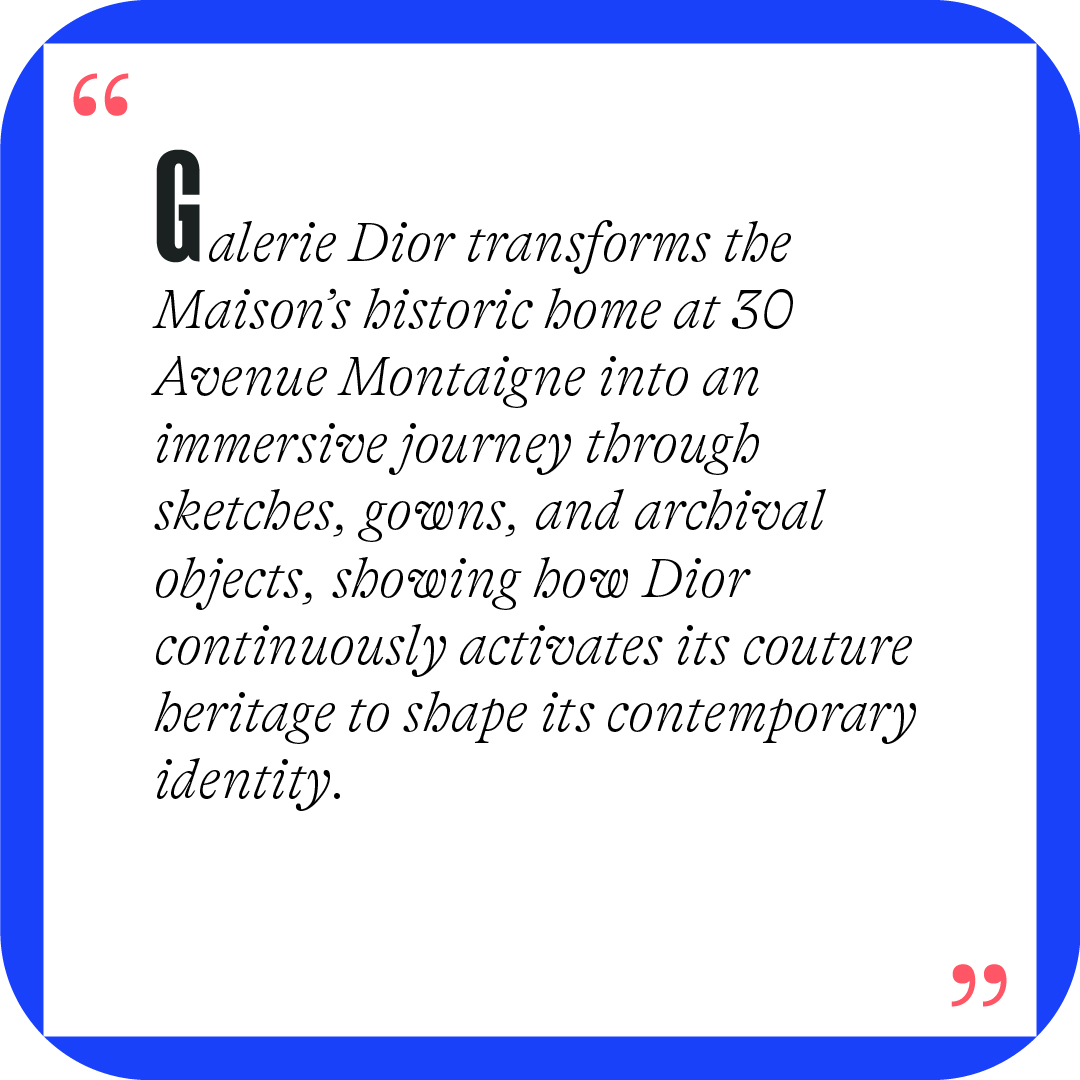
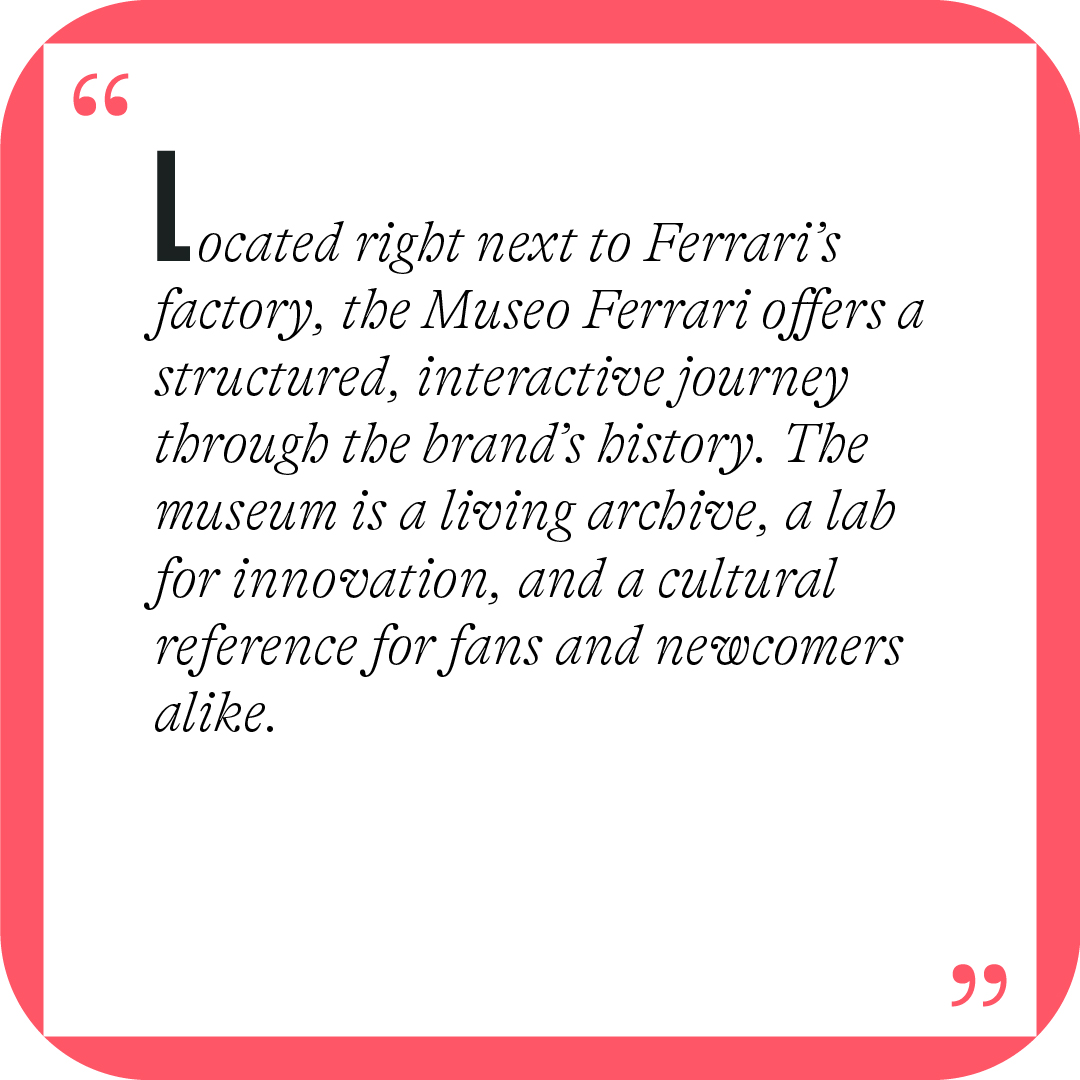
When discussing heritage, archives naturally come to mind—spaces where artifacts from the past are stored and catalogued. Brand archives contain tangible and intangible assets—documents, designs, products, campaigns—that together form their historical patrimony. Today, however, archives are evolving from static repositories into dynamic creative laboratories. Rather than being closed off, memory becomes a tool for communication, creativity, and experience. Many brands now use archives to generate new content, inspire designers, or develop digital series that grant public access to their collections. Corporate museums, exhibitions, and archival initiatives are increasingly conceived not simply as forms of self-celebration but as experiential platforms that invite audiences to interact with the brand’s history. In the luxury sector especially, the fascination with authenticity has turned archival materials into powerful storytelling devices that elevate exclusivity and desirability.
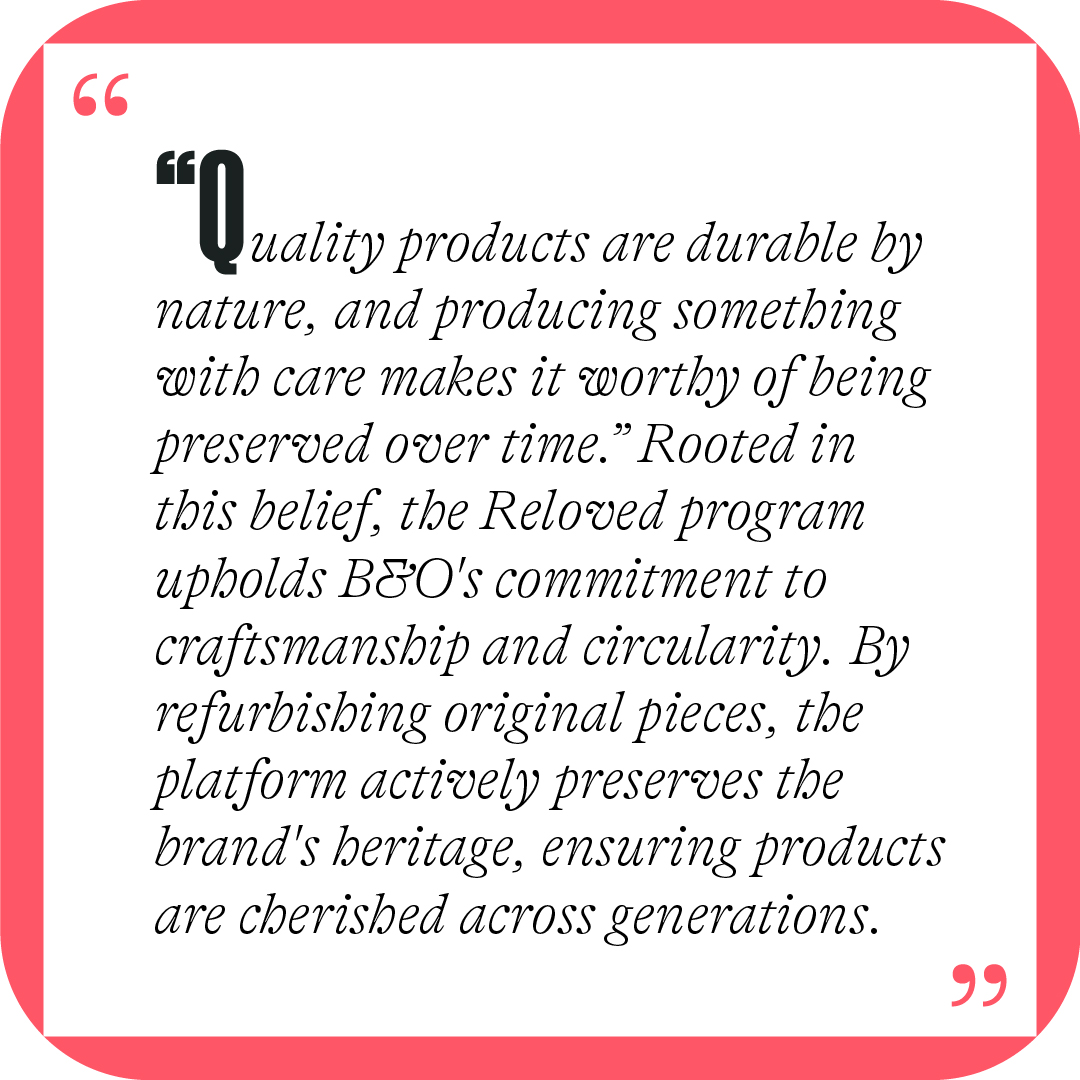
Heritage-oriented brands often highlight durability, repairability, and craftsmanship, making heritage a core dimension of sustainability. Unlike the planned obsolescence typical of fast fashion or consumer technology, reviving traditional techniques and valuing long-lasting materials promote a narrative of care and intrinsic worth. Tradition thus becomes an act of cultural and material sustainability. Reviving traditional techniques, sourcing enduring materials, and highlighting the human stories behind production are not merely aesthetic gestures—they form a narrative that reinforces the brand’s cultural relevance.
Geographical roots are a critical component of brand heritage. Many brands are so deeply tied to their origins that one cannot be imagined without the other. This inseparability is often described as the strategic embodiment of the genius loci—the essence or spirit of a place—forming a cornerstone of their identity. It tells where they come from and shapes how they are perceived. Examples like FENDI ROMA and PRADA MILANO reveal how geographical roots can become central to a brand’s narrative. Brands leverage their cities not only as markers of identity but also as sources of meaning, supporting local communities or cultural initiatives that express their bond with the places that shaped them.
Heritage is a powerful key to achieving cultural relevance, even when it is a sophisticated aesthetic construction. Some brands tap into their audience’s desire for heritage aesthetics and codes despite lacking a centuries-old history. Through design choices, material cues, storytelling, and tone of voice, they simulate the aura of tradition to gain cultural depth and credibility. In these cases, heritage becomes a language, a set of references that can be learned, curated, and performed to create emotional resonance with audiences. This pursuit of depth is particularly relevant to younger generations, who seek brands with lasting values.

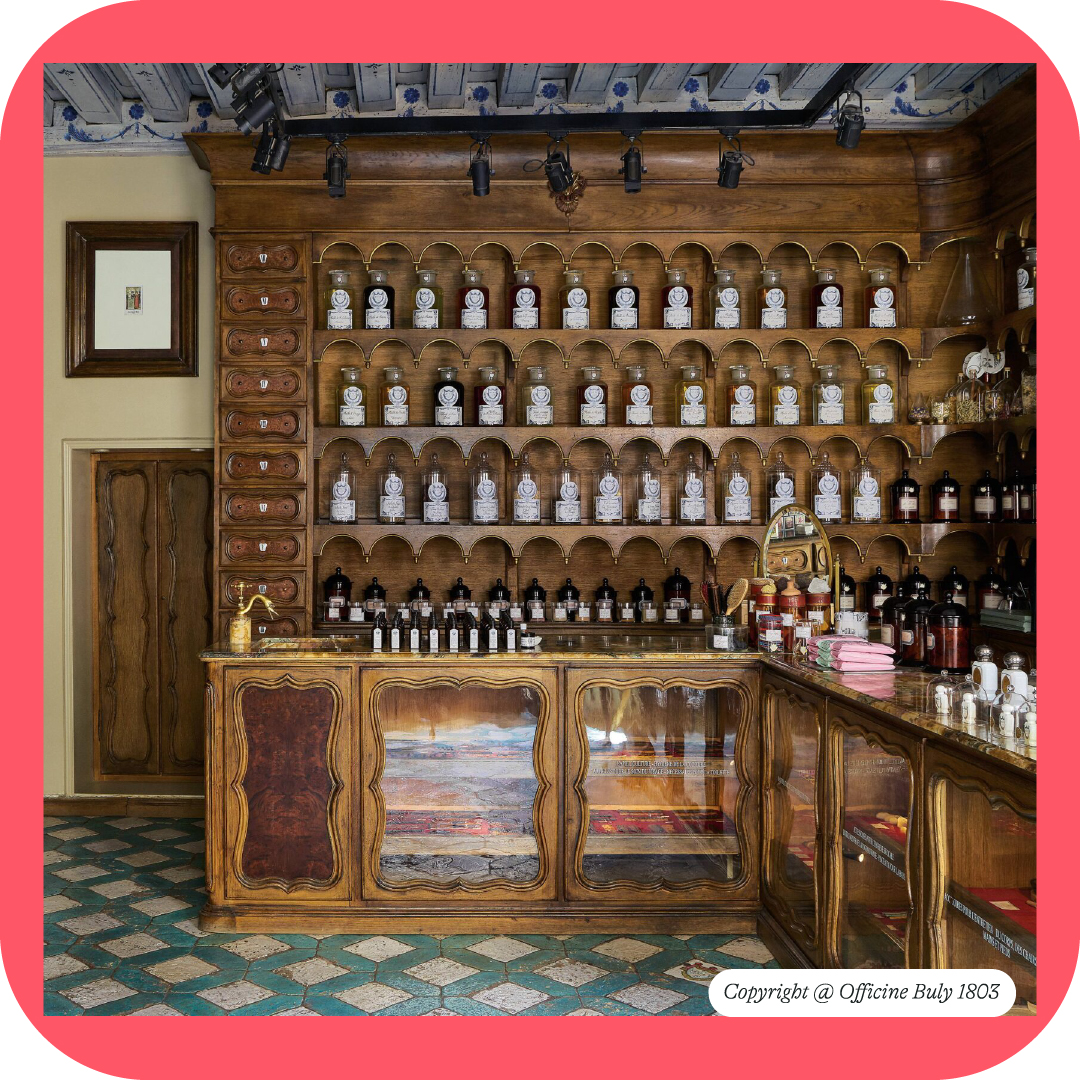
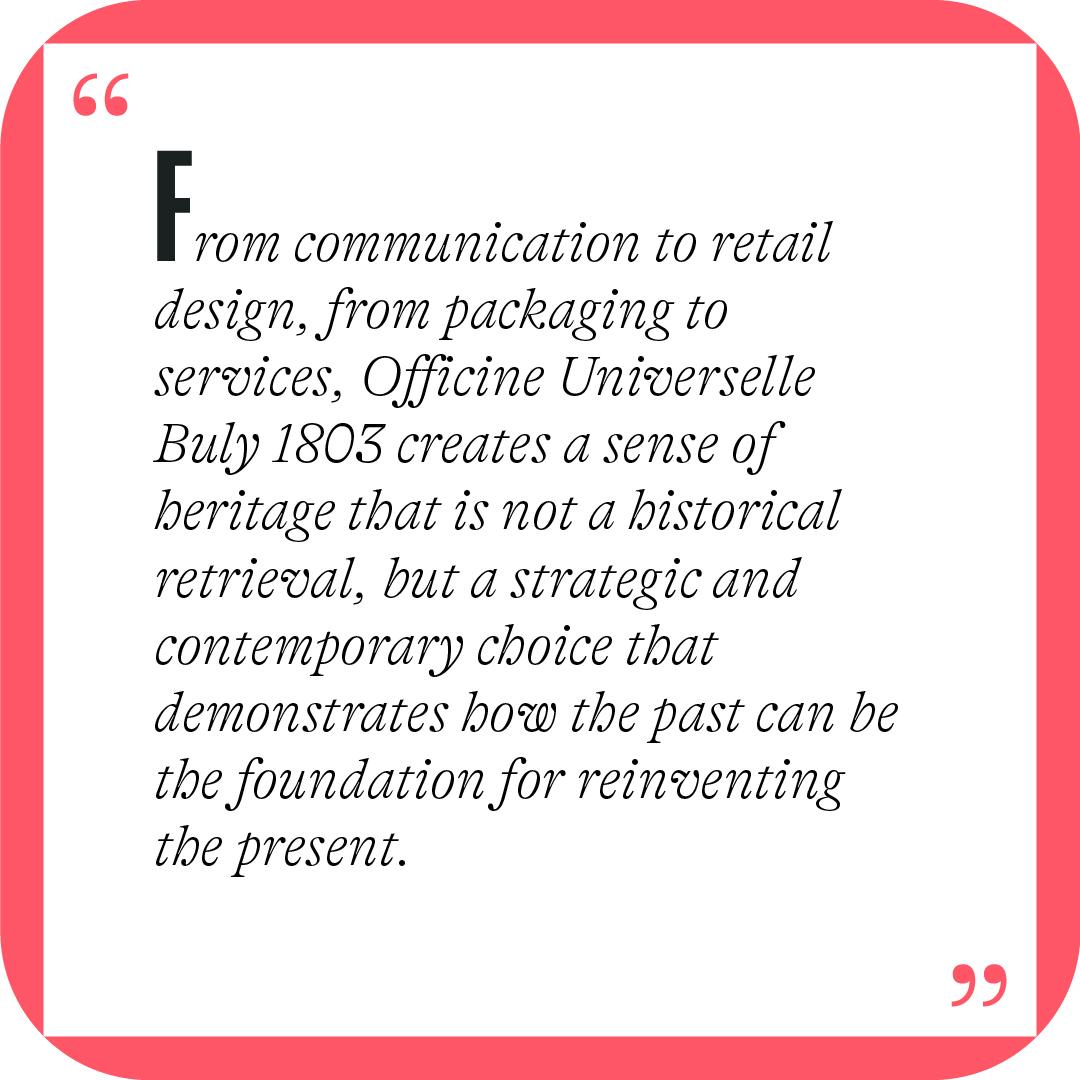
















Heritage signals quality, authenticity, and a narrative that extends beyond the product itself.
Ultimately, it is a strategic framework that defines a brand’s cultural role. It is not about venerating the past, but about reinterpreting roots to generate cultural equity and build meaningful experiences. When used thoughtfully, heritage ensures that a brand’s past actively informs its future—positioning it as a relevant cultural reference in the present.